Here’s What Just Happened
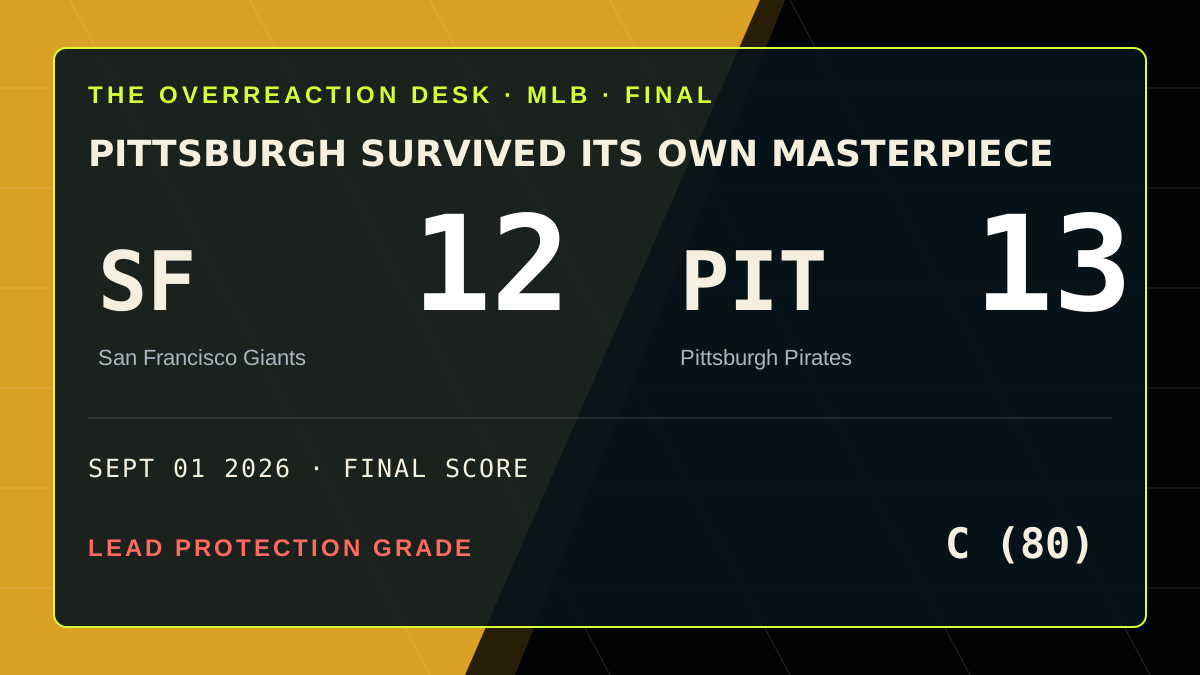
The Pittsburgh Pirates defeated the San Francisco Giants 13-12 in a game that began as a blowout, became a stress test, and ended with the sort of ninth-inning mistake that makes a scorebook look personally offended. Pittsburgh scored nine runs in the third inning, built an 11-5 lead, and then watched San Francisco keep finding oxygen.
The Pirates still won. That is the thesis in its least elegant form: Pittsburgh did not control this game, but it refused to let the collapse become the final sentence.
The Moment the Game Broke
The Giants scored five times in the second inning and trailed 5-2. Pittsburgh answered with nine in the third, using a parade of singles, walks, and extra-base damage to turn the afternoon into a 9-5 argument. Oneil Cruz delivered a two-run single in the inning, and the Pirates suddenly looked like the young contender their supporters keep insisting is arriving ahead of schedule.
Then the game got bored with that version. San Francisco scored twice in the sixth, Pittsburgh added a run in the seventh, and the Giants tied the game with five runs in the eighth. The Pirates had spent most of the night building a comfortable lead and the final two innings proving that comfort was never part of the plan.
Who Actually Showed Up
Cruz finished with four hits, and Brandon Lowe also collected four hits while adding a home run. Pittsburgh finished with 19 hits and no errors, which is an impressive amount of offense for a club that nevertheless made a 13-12 win feel like a legal dispute.
San Francisco had 16 hits, including Rafael Devers’ three-run homer in the second. The Giants kept answering because their lineup did not accept the game’s suggested ending. Mason Montgomery finally held the tie in the ninth, and Pittsburgh got its chance in the bottom half.
The Blame Queue
The Giants had already dragged the game back from six runs down. They needed one clean defensive inning to finish the job. Instead, the ninth-inning throw sailed, Brandon Lowe scored, and the Pirates walked off while the entire evening attempted to become a cautionary tale about leads.
The error is the ending, not the whole explanation. San Francisco’s offense created the tie. Pittsburgh’s offense created the original cushion. Both teams spent the night making a one-run game out of a six-run lead.
The Desk Metric: A Lead With No Warranty
The Desk’s Lead Protection Grade was C (80). The grade uses Pittsburgh’s six-run largest lead, its one-run final margin, and its one-run positive ninth-inning differential. A C is not a scolding; it is a receipt. The Pirates protected exactly one more run than they needed, after spending hours trying to misplace the rest.
The Desk Has Ruled
Pittsburgh won because it kept producing offense after the game stopped behaving. The Pirates did not turn this into a clean statement. They turned it into a survival story, which is probably more on-brand for a young club still trying to update everyone’s expectations.