Cleveland Started With Power
Brayan Rocchio hit a two-run homer in the first inning, and Rhys Hoskins followed with a solo shot. Minnesota answered with two runs in the second, briefly reducing the margin to 3-2.
The Guardians treated that response as an invitation to continue. Petey Halpin hit a two-run homer in the bottom of the second, Travis Bazzana added a solo shot and Hoskins went deep again in the third.
By the time Joe Ryan’s start ended, he had allowed eight runs on 10 hits over four innings. Cleveland had made the first part of the game feel less like a lead and more like a recurring appointment.
The Lineup Never Took an Inning Off
Cleveland scored three in the first, three in the second and one in the third. Then it added one run in the fourth, fifth and sixth before scoring three more in the seventh.
The names kept changing. Halpin hit his second homer in the fourth. Patrick Bailey drove in a run in the fifth, Chase DeLauter did it in the sixth, and Bailey homered before DeLauter’s two-run double completed the seventh.
The Guardians finished with 19 hits and seven home runs. Five players went deep, and Halpin and Hoskins each did it twice. Minnesota could not identify one dangerous pocket because the entire lineup kept opening new ones.
Bibee Protected the Runway
Tanner Bibee allowed two runs over six innings, striking out five and walking one. That line is easy to overlook beside 13 runs, but it prevented Minnesota from turning any early offense into a competitive exchange.
The Twins scored twice in the second and then did not score again until the seventh. By then Cleveland had reached double figures.
For a team whose identity usually begins with run prevention and detail, this was an evening of excessive offensive generosity. The machine did not miss maintenance; it apparently installed fireworks.
The Desk Metric: Seven Straight
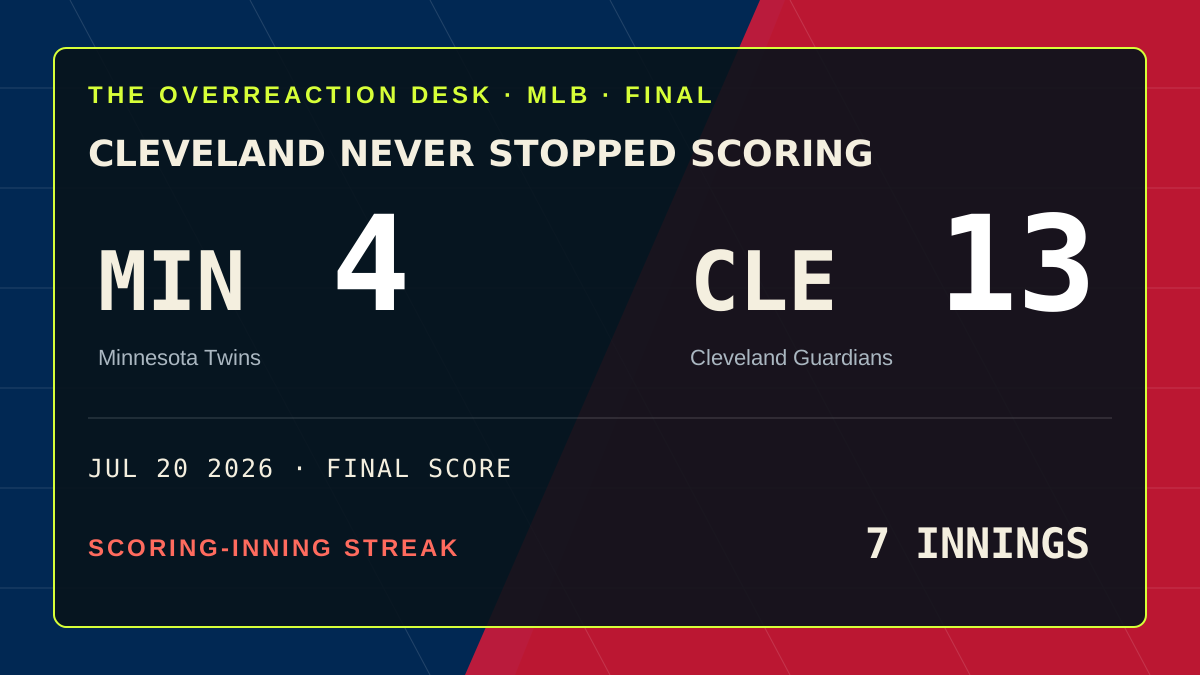
The verified Scoring-Inning Streak was seven. Cleveland scored in every inning from the first through the seventh.
That is more revealing than the nine-run margin. A large inning can decide a game quickly. Seven consecutive scoring innings remove every chance for the opponent to stabilize, reset the bullpen or believe the difficult part has finally passed.
The Official Overreaction
Desk ruling: Cleveland did not beat Minnesota with one avalanche. It sent a new wave every inning until the scoreboard ran out of reasonable objections. Nineteen hits and seven homers will get the headline, but the relentless sequence was the real damage.