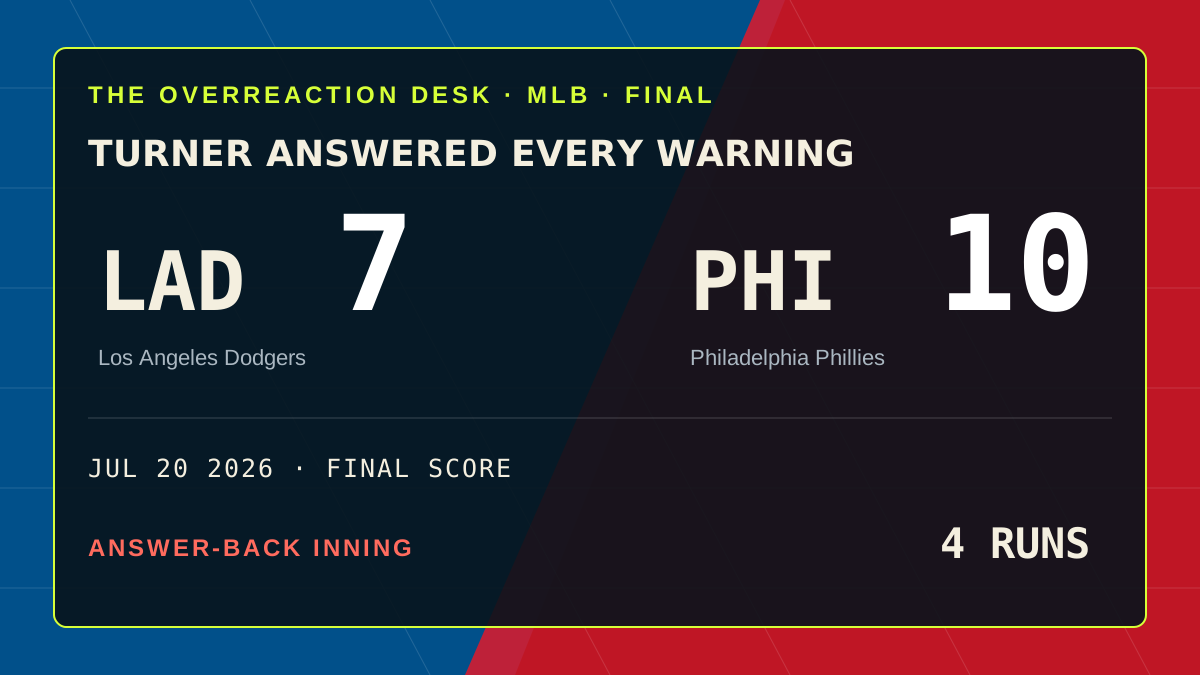
Philadelphia Built the First Cushion
The Phillies scored four times in the second inning, and Trea Turner supplied the largest swing with a two-run homer. Gabriel Rincones Jr. had opened the scoring with an RBI double, and Justin Crawford added a sacrifice fly before Turner made the inning feel complete.
Against most lineups, 4-0 can become a comfortable evening. Against Los Angeles, it is more like a temporary permit to breathe. The Dodgers began pulling the game back one run at a time, with Mookie Betts scoring on a double play in the fourth before Max Muncy and Andy Pages drove in runs in the sixth.
When Pages’ single made it 4-3, Philadelphia’s early work was one clean swing from disappearing.
The Sixth Inning Settled the Argument
The Phillies did not wait for the Dodgers to turn pressure into a tie. Brandon Marsh led off the bottom of the sixth with a homer, and Turner later launched a three-run shot around the left-field foul pole.
Four runs had arrived immediately after Los Angeles cut the margin to one. The score moved from 4-3 to 8-3 in the same inning, which is the baseball equivalent of letting someone finish a comeback speech and then switching off the microphone.
Turner’s second homer was the 200th of his career. It completed a 3-for-5, five-RBI night and gave Philadelphia the response it needed most.
The Dodgers Kept Making Noise
Los Angeles did not disappear. Betts homered in the seventh and again in the ninth, finishing 4-for-5 with three runs and three RBI. The Dodgers scored three times in the final inning and forced Philadelphia to finish the job with the lead back down to three.
The Phillies had already kept adding. Bryce Harper homered in the seventh, and Derek Hill went deep in the eighth. Those were not decorative insurance runs. They were the reason Betts’ late power changed the temperature instead of the winner.
The Desk Metric: Four Right Back
The verified Answer-Back Inning was four Phillies runs in the bottom of the sixth after the Dodgers cut the lead to 4-3.
That sequence supports the larger point better than the six combined home runs do. Philadelphia did not merely outslug another loaded lineup. It answered at the exact moment Los Angeles had converted a four-run deficit into a one-run game.
The Official Overreaction
Desk ruling: Turner’s milestone night mattered because every major swing served the game in front of him. The Dodgers kept presenting warnings, and Philadelphia kept replying with another run before October-sized anxiety could move into Citizens Bank Park full time.