What the Union Put on the Table
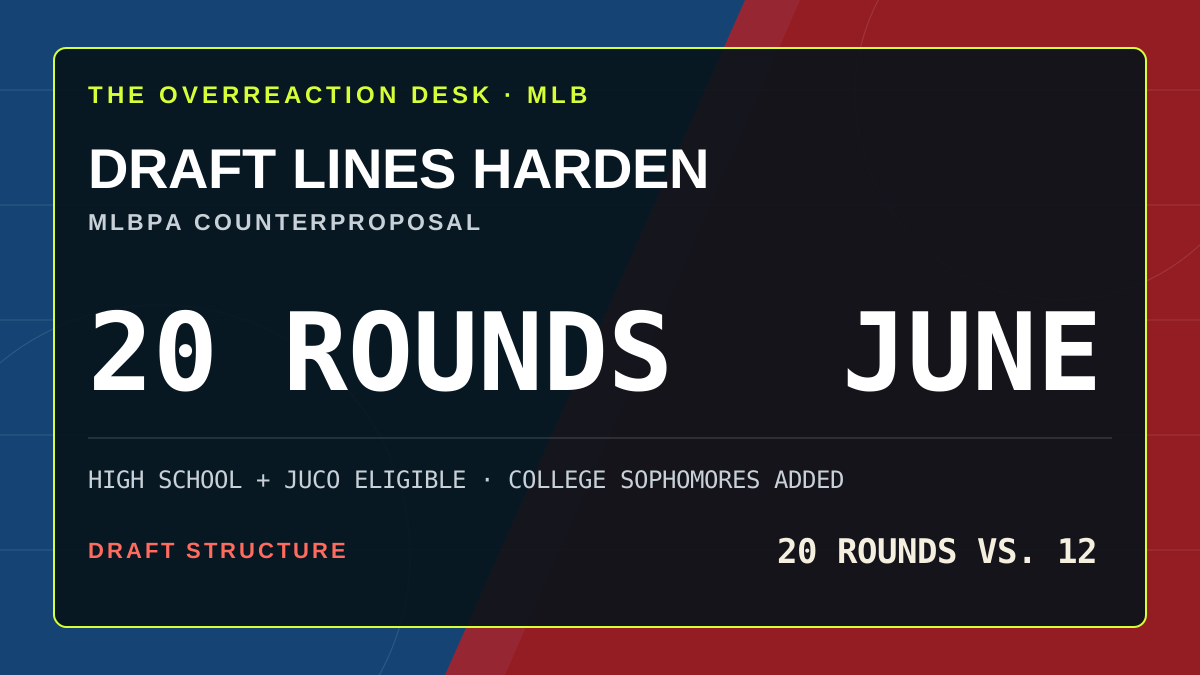
The MLB Players Association proposed keeping the domestic amateur draft at 20 rounds, moving it from the All-Star break back to June and preserving eligibility for high school and junior college players. The proposal would also make college sophomores eligible, widening the college entry point beyond the current rules.
The union would allow teams to trade draft picks under restrictions. That is one of the few broad concepts shared with Major League Baseball’s earlier plan, even though the sides have not agreed on the details. Baseball bargaining has reached the stage where the calendar and the transaction wire have more common ground than the people in the room.
This is a proposal, not an agreement. The current collective bargaining agreement expires in December, and the draft is one part of a much larger negotiation.
The 20-vs.-12 Gap Is the Story
MLB proposed a hard-slotted 12-round domestic draft in June. Its plan would make players eligible at age 20 after they are at least two years removed from high school, which would end the direct high-school path to affiliated professional baseball beginning with the 2028 draft. The league argued that expanded scholarships, name-image-and-likeness opportunities and improved college programs make that route a stronger development system.
The union’s response preserves the 20-round structure and the ability of high school and junior college players to choose professional baseball immediately. It also opens the draft to college sophomores, giving some college players an earlier decision point instead of making the NCAA route longer for everyone.
The Desk metric is blunt: 20 rounds vs. 12. An eight-round difference is not a scheduling tweak. It changes how many players receive an organized entry point, how clubs allocate signing money and how much development work remains inside affiliated baseball.
Development Cost Is the Real Argument
MLB frames college baseball as a rapidly improving pathway that can prepare players for the majors. The union’s structure keeps more pathways open and more of the early development risk inside the professional system. That is the philosophical split underneath the procedural language.
For teams, fewer rounds and fixed bonus slots could make spending more predictable. For players, a shorter draft and tighter age rules could reduce opportunities and negotiating leverage before a career has properly started. Neither side gets to wave those consequences away by calling its proposal modernization.
Draft-pick trading may eventually become the headline-friendly compromise. It is easy to imagine front offices treating future selections like another row on the trade machine. The harder issues are who can enter, when they can enter and how many players receive a drafted route into pro baseball.
The Desk Has Ruled
Desk ruling: the union did more than reject MLB’s blueprint. It offered a competing model that keeps 20 rounds, protects multiple entry routes and still changes the calendar and trade rules. The shared interest in pick trading gives negotiators one patch of grass. The eight-round gap and the fight over high school eligibility show how much warning track remains.
Fans do not need to choose a bargaining jersey tonight. They should watch which side can explain how its system creates more real opportunities without quietly sending the bill, the risk or both to somebody else.